Polski English Deutsch

~2.62 EUR
PLN

The Costoluto Genovese tomato is a classic Italian variety, whose name literally means “ribbed from Genoa.” Its origins are traced to northwestern Italy, in Liguria and nearby Piedmont; sources indicate cultivation at least since the 18th–early 19th century. As a curiosity from Italy, it also found its way into Thomas Jefferson’s garden at Monticello (recorded there as early as 1809), from where its reputation as an “old Italian” variety spread further. For generations, it has been valued in Italian kitchens and gardens for its bold flavor and usefulness for sauces and preserves.

The plant has a tall, indeterminate growth habit and regular leaves; it requires strong staking, as it produces abundantly over a long season. Catalogs and gardening guides usually list the maturity time as about 70–90 days from transplanting, placing it in the mid- to mid-late range — differences depending on climate and growing conditions. It thrives in full sun, in fertile, well-drained soil, with consistent watering (irregular watering may cause fruit cracking).

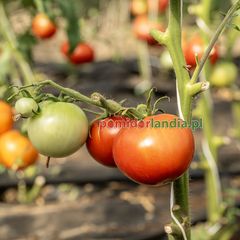
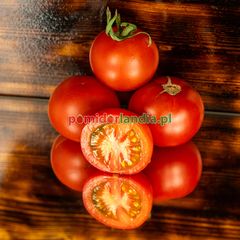
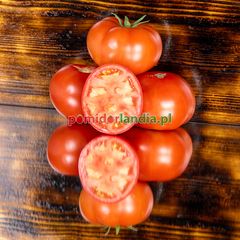
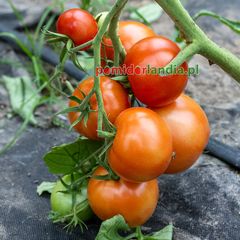
The fruits are flattened, distinctly ribbed, with intensely red skin and a glossy shine; a single fruit usually weighs about 170–225 g (6–8 oz). The interior is meaty, with few seed cavities, and the flavor profile is bold, clearly acidic, and distinctly “tomatoey.” This characteristic structure and flavor make Costoluto Genovese known in Italy as a true “kitchen tomato”: excellent for sauces, passata, purées, and canning (after blanching and peeling), but also delicious in fresh bruschetta or salads, when full aroma is desired.

Within the “costoluto” family, there are several regional types (e.g., Costoluto Fiorentino, Tuscan canestrino types), but Costoluto Genovese remains one of the most recognizable variants — ribbed, richly red, with a traditional, “sauce-style” look. If you are looking for a tomato that combines Italian heritage, spectacular appearance, and culinary functionality, this variety is a sure choice.

Pieces:
Color Red
Fruit size Middle
Growing habit Indeterminate
The growing season Mid-early
Fruit type Beefsteak
Leaf type Regular