Coyote is a small-fruited tomato with characteristics reminiscent of wild varieties. Its journey into Craig LeHoullier’s collection began with a meeting with Maye Clement, a native of Veracruz, Mexico. She gave him a cluster of tiny fruits, from which he saved the seeds. Thanks to a subsequent exchange, the variety found its way to other gardeners.
The plant is characterized by vigorous, trailing-and-climbing growth and an indeterminate growth habit, meaning it requires support or training in cages. It is extremely prolific—it can produce hundreds or even thousands of small fruits over the course of a season. This is an early-season variety, typically beginning to bear fruit 50–70 days after the seedlings are transplanted. It tolerates high temperatures well and bears fruit continuously until fall.
The ‘
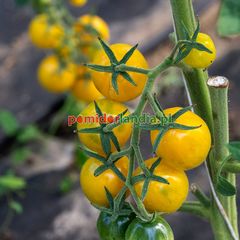
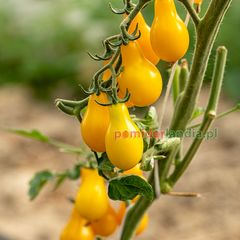
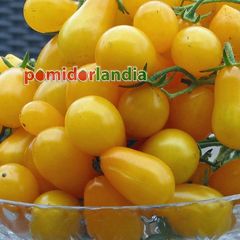
Coyote’ fruits are very small, usually about 1–1.5 cm in diameter, and grow in clusters of several fruits. Their color is unusual—shades of ivory and translucent yellow give them a slightly grape-like appearance. The flavor is exceptionally sweet, juicy, and fruity, making this variety stand out among other cherry and currant tomatoes. The thin skin means the fruit is best eaten fresh, but it also makes them more prone to cracking in the event of irregular watering or heavy rain.
Thanks to its flavor, unusual color, and high yield, ‘
Coyote’ has become a prized choice for heirloom enthusiasts and gardeners seeking unique varieties. It is a tomato that combines elements of its wild heritage with exceptional practical qualities, providing not only bountiful harvests but also a touch of history in the garden.